Table of Contents
Key Takeaways
- Effective home organization relies on systems that match your natural habits and living patterns rather than forcing rigid structures
- The five-step method of sorting, categorizing, purging, assigning homes, and maintaining prevents the cycle of declutter and re-clutter
- Room-by-room organization approaches ensure every space has a purpose-built system that addresses its unique storage challenges
- Digital organization including file management, email cleanup, and password management reduces mental clutter as effectively as physical organization
- Long-term maintenance requires scheduled resets, the one-in-one-out rule, and periodic reassessment of what your household actually needs
The Psychology Behind Clutter and Organization
Understanding why clutter accumulates is the first step toward creating organization systems that truly last. Clutter is rarely about laziness or lack of discipline. Research in behavioral psychology shows that humans naturally acquire and retain possessions due to several deep-seated cognitive biases. The endowment effect causes us to overvalue items we already own, making it emotionally difficult to part with things we would never consider buying new. The sunk cost fallacy keeps us holding onto items because we spent money on them, even when they no longer serve any purpose. Fear of wasting, also called the waste aversion bias, makes us keep things because throwing them away feels environmentally or financially irresponsible.
These psychological factors explain why traditional decluttering advice often fails. Telling yourself to simply get rid of things you do not need ignores the real emotional and cognitive barriers at work. Effective organization systems work with human psychology rather than against it. They create visible boundaries for each category of possessions, reduce decision fatigue by establishing default storage locations, and build in maintenance routines that prevent clutter from accumulating again. The most successful organizers understand that organization is not a one-time event but an ongoing practice supported by well-designed systems.
Environment also plays a powerful role in organization behavior. A cluttered space increases cortisol levels and reduces focus, while an organized space promotes calm and productivity. According to the Wikipedia article on clutter behavior, visual clutter competes for attention and reduces the brain's ability to process information efficiently. This creates a feedback loop where clutter causes stress, and stress makes it harder to find the energy to organize, leading to more clutter. Breaking this cycle requires systems that make organization feel effortless rather than overwhelming.
The Five-Step Method for Lasting Organization
Step one is gathering every item within a category into a single location. Do not try to organize an entire room at once. Focus on one category such as clothing, books, kitchen tools, or paperwork. Pull every item belonging to that category from every drawer, closet, shelf, and corner of your home and pile them together. Seeing the full extent of what you own in one place is often surprising and provides the perspective needed for honest decisions about what to keep.
Step two is sorting items into three groups: keep, donate or sell, and discard. The keep pile should only contain items you actively use, genuinely love, or have a clear practical need for. Do not keep items out of guilt, obligation, or vague future possibilities. The donate or sell pile includes items in good condition that someone else could use. The discard pile is for broken, worn-out, or truly unusable items. Be ruthless during this phase: if you have not used something in the past year and it does not hold significant sentimental value, it belongs in the donate or discard pile.
Step three is assigning a specific home for each kept item. Every item needs a designated storage location where it belongs and where it returns after each use. Group similar items together and store them near where they are used. Kitchen utensils go near the food preparation area. Charging cables belong near where you charge devices. Winter coats live in the entryway closet. When every item has a home, cleanup becomes a matter of returning items to their homes rather than deciding where things go each time.
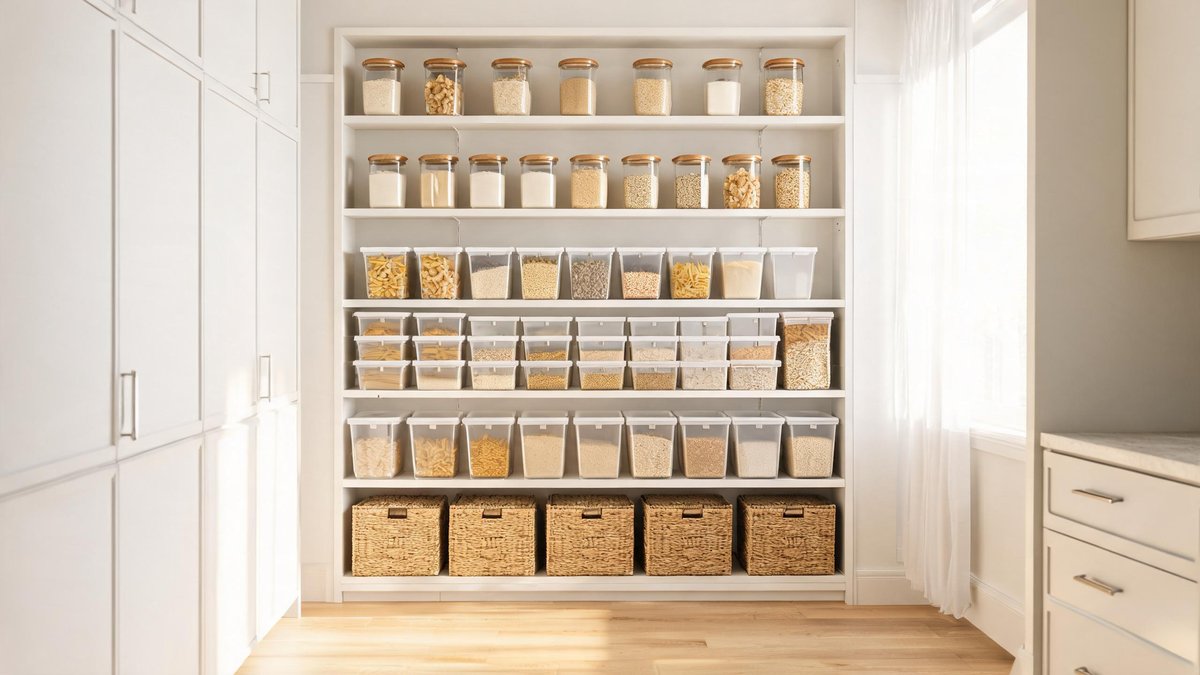
Step four is choosing storage solutions that fit your space and habits. Clear bins and labeled containers make it easy to see contents without opening everything. Drawer dividers prevent small items from becoming jumbled. Vertical space utilization through shelves and wall-mounted organizers maximizes storage without expanding floor space. Choose storage that matches how you actually use items, not how you wish you used them. Step five is establishing a maintenance routine. Schedule a 15-minute daily tidy-up, a monthly category review, and a seasonal deep organization session to keep systems working.
Room-by-Room Organization Systems
The kitchen benefits from zone-based organization. Create distinct zones for food storage, cooking tools, eating utensils, and cleaning supplies. Store items at their point of first use: coffee supplies near the coffee maker, pots and pans near the stove, and measuring cups near the food preparation area. Use drawer organizers for utensils, shelf risers for cabinet vertical space, and clear containers for pantry staples. Label everything with dates and contents to reduce food waste and make meal preparation faster.
Bedroom organization focuses on the closet and dresser. Implement the one-in-one-out rule for clothing: when you buy a new item, remove one existing item. Organize clothing by category (shirts, pants, dresses) and within each category by color for visual ease. Use slim velvet hangers to maximize closet rod space and maintain uniform appearance. Store off-season clothing in vacuum-sealed bags under the bed or on high closet shelves. Bedside tables should contain only essentials: a lamp, a book, and perhaps a phone charger. Everything else creates visual noise that interferes with sleep.
Bathrooms are typically the smallest rooms in the home but require storage for many different categories of items. Use vertical space with over-the-toilet shelving, magnetic strips on the wall for tweezers and scissors, and clear acrylic organizers inside drawers and cabinets. Group daily use items together and store them at eye level. Reserve lower cabinets for backups and bulk purchases. Medicine and first-aid supplies should be stored in a separate, clearly labeled container for safety and easy access during emergencies.
Living rooms and home offices benefit from hidden storage solutions that reduce visual clutter. Coffee tables with lift tops or drawers, ottomans with hidden compartments, and media consoles with cabinet doors keep everyday items accessible but out of sight. Use cable management solutions to eliminate the tangle of wires behind entertainment centers and desks. Create a designated landing zone near the entryway for keys, mail, bags, and shoes so these items do not migrate throughout the house.
Digital Organization for a Calmer Mind
Physical clutter is visible and obvious, but digital clutter can be just as overwhelming. A cluttered desktop, overflowing email inbox, and disorganized file system create mental load that reduces productivity and increases stress. Digital organization follows the same principles as physical organization: sort, categorize, purge, assign homes, and maintain. Start by deleting files and applications you no longer need. Most people use less than 20 percent of the files stored on their computers, and the remaining 80 percent is digital clutter that slows backups and makes finding important documents harder.
Email organization deserves special attention because it is a daily source of digital overwhelm. Implement a zero-inbox system by processing emails as they arrive rather than letting them accumulate. Use folders or labels with clear naming conventions and automatic filtering rules to sort incoming mail before it reaches your inbox. Unsubscribe from newsletters and promotional emails you no longer read. For emails that require action, either respond immediately, add the task to your to-do system, or schedule a specific time to handle it later. An inbox should be a processing queue, not a storage archive.
Password management is another critical digital organization system. Use a password manager to generate and store strong, unique passwords for every account. Organize passwords into categories such as financial, work, shopping, and social media for easy retrieval. Enable two-factor authentication wherever possible. Regularly review and revoke access for applications and services you no longer use. A well-organized digital life reduces the cognitive load of remembering where things are stored and frees mental energy for more important tasks.
Small Space Organization Strategies
Living in a small space requires particularly disciplined organization because every square foot must earn its keep. Vertical space is the most underutilized resource in small homes. Install shelving from floor to ceiling on any available wall space, using the top shelves for infrequently used items and lower shelves for daily essentials. Use the backs of doors for shoe racks, cleaning supply caddies, and accessory organizers. Under-bed storage containers with wheels make accessing off-season clothing and extra bedding easy without requiring heavy lifting.
Multi-functional furniture is essential for small space organization. A bed with built-in drawers eliminates the need for a separate dresser. A dining table with fold-down leaves or drop-leaf sides expands when needed and saves space the rest of the time. Ottomans and benches with hidden storage compartments hide blankets, board games, and out-of-season items while providing seating. Wall-mounted desks that fold up when not in use create a home office that disappears into the wall. Choose furniture that serves at least two purposes to maximize the functionality of every piece.
Zone-based room layouts help small spaces feel larger and more organized. Define distinct zones for sleeping, working, eating, and relaxing within the same room using furniture placement rather than walls. Area rugs visually define each zone. Consistent color schemes throughout the space create visual flow that makes a small home feel larger. Keep countertops and tabletops as clear as possible: if a surface is flat, the natural tendency is to pile things on it, so discipline yourself to keep horizontal surfaces clear except for a few intentional decorative items.
Maintaining Your Organization System Long-Term
The best organization system in the world fails without maintenance. Most people who declutter find themselves back in the same messy state within six months because they did not build maintenance into their routine. The key to long-term success is making organization a habit rather than a project. Start with a daily five-minute reset where you walk through your home and return any out-of-place items to their designated homes. This simple habit prevents the gradual creep of clutter that happens when items are left out temporarily and never returned.
Seasonal deep organization sessions provide an opportunity to reassess your systems and purge items that have accumulated. Use the changing of seasons as a natural reminder: when you swap winter clothes for summer clothes, take the opportunity to evaluate everything in your closet. Check your pantry and bathroom cabinets for expired products. Review your digital files and delete what you no longer need. These seasonal resets keep your systems aligned with your current life rather than the life you lived a year ago.
Finally, be willing to adjust your systems as your needs change. An organization system that worked perfectly when you lived alone may fail when you start working from home or when children arrive. Pay attention to which parts of your system are working and which are causing friction. If you consistently leave clothes on a chair instead of hanging them up, the problem is not your discipline but your system: move the laundry basket or add a hook where you naturally undress. Great organization systems bend to fit your life, not the other way around.